Why wildflower macro photography is worth pursuing
Wildflowers are some of the most exquisite subjects to photograph in the natural world. They are intrinsically beautiful, with shapes and colours designed by evolution to attract their pollinator brethren – who seem to value exactly the same visual qualities we do. They are remarkably diverse, occur almost everywhere, and unlike many natural subjects can be found flowering at almost any time of year – making wildflower macro photography a rewarding pursuit in almost any season.
This blog mostly focuses on mushroom photography, but I have developed a genuine passion for wildflowers because they are so endlessly interesting. Honestly, botanical photography has grown on me a lot. The plant world is curious, complex, and there is an enormous amount still to be discovered – especially where I am located in central Mexico, but really everywhere you look there are cool and often rare plants worth seeking out.
One thing that makes wildflower photography particularly rewarding is that if you really commit to it, you can document and photograph species that currently only have low-resolution or low-quality photos in scientific databases. Contributing a sharp, well-documented wildflower macro photograph of a rare or understudied plant species to iNaturalist or Mushroom Observer is a genuinely meaningful scientific contribution. And with wildflowers appearing almost year-round in many regions, there is always something worth looking for.
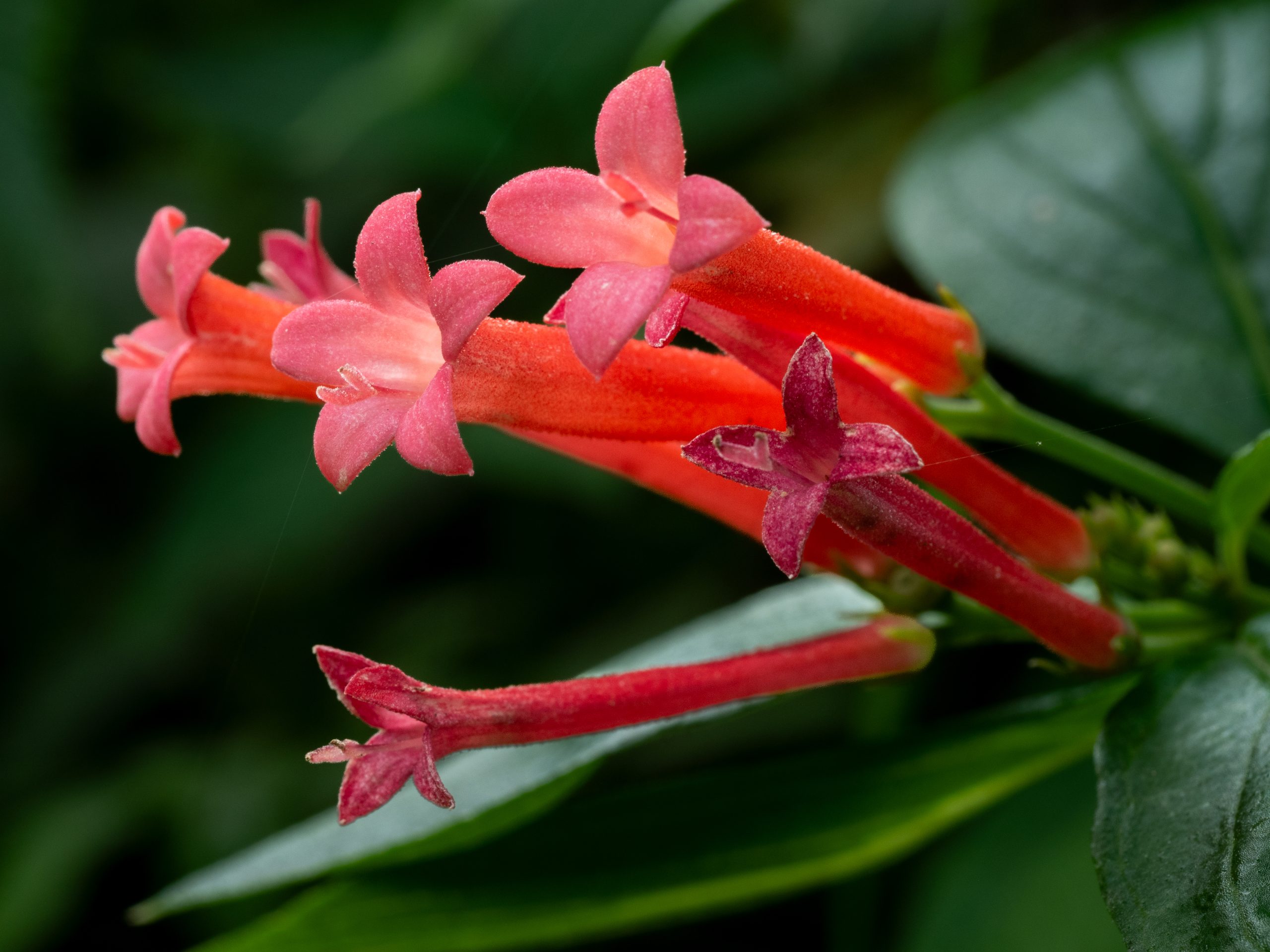
That said, wildflowers present some real photographic challenges that are worth understanding before you head out. The biggest one is movement.
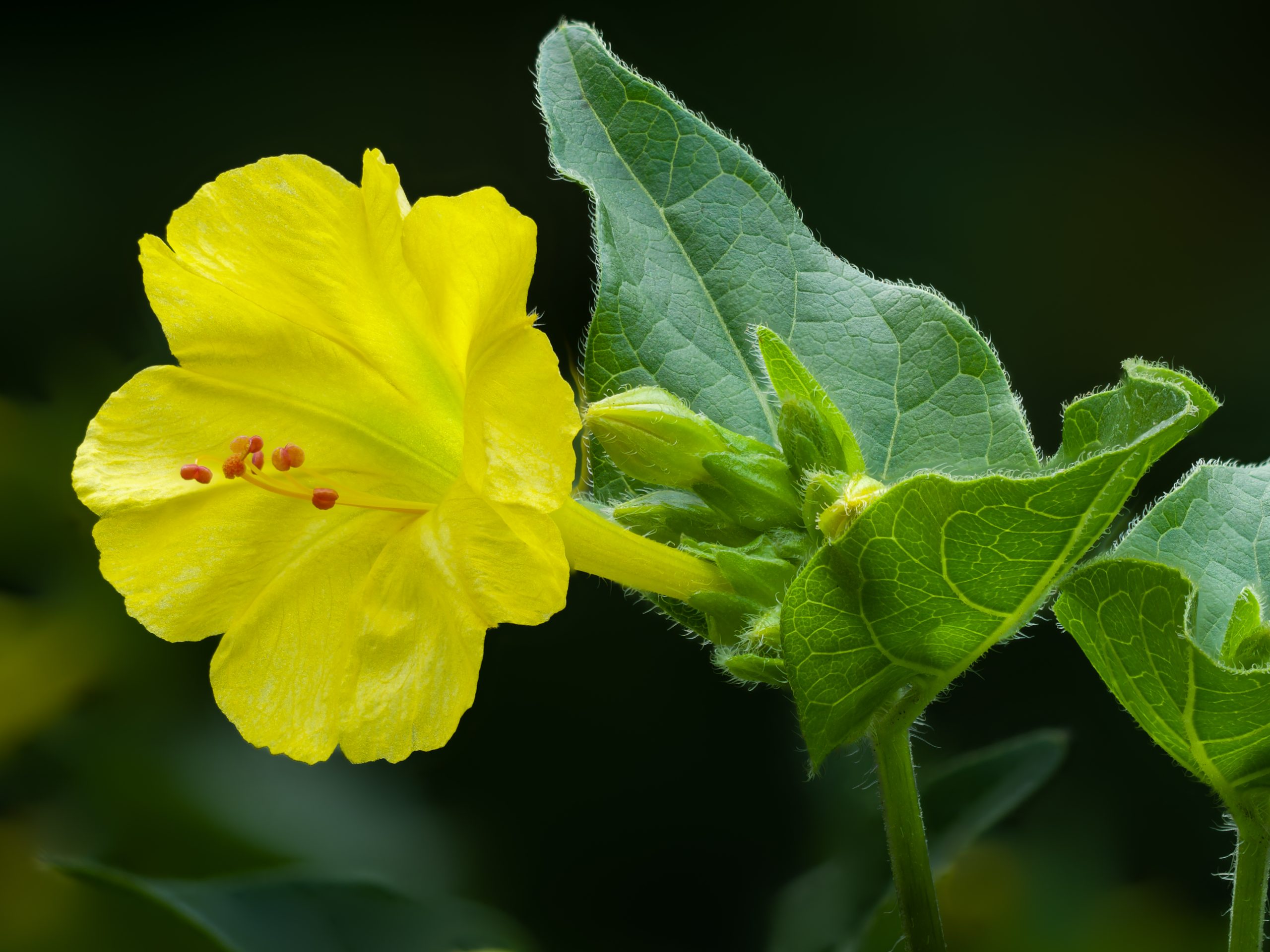
Managing wind: the biggest challenge in wildflower photography
Wind is the defining challenge of wildflower macro photography and everything else flows from it. At macro distances, even a movement of one or two millimetres between frames is enough to ruin a shot – and at high magnification the effect is amplified further. A flower that looks perfectly still to the naked eye can be blurring significantly at 1:1 magnification.
The most direct solution is a fast shutter speed. Aim for at least 1/80s as a minimum shutter speed for single-frame shots of flowers in light air, and faster if conditions are breezy – 1/200s or higher in a breeze. This means you need enough light to expose correctly at that shutter speed – which makes lighting both more important and more challenging for wildflower photography than for fungi photography, where slow exposures on a tripod are perfectly manageable.
Stem length matters enormously. A low-growing compact flower with a short rigid stem is far easier to work with than a tall elegant flower on a long flexible stalk. When scouting for subjects, pay attention to how much each flower is moving before you commit to setting up. A flower that is swaying even gently in a slight breeze will test your patience. One that is barely moving in still air is a much better candidate.
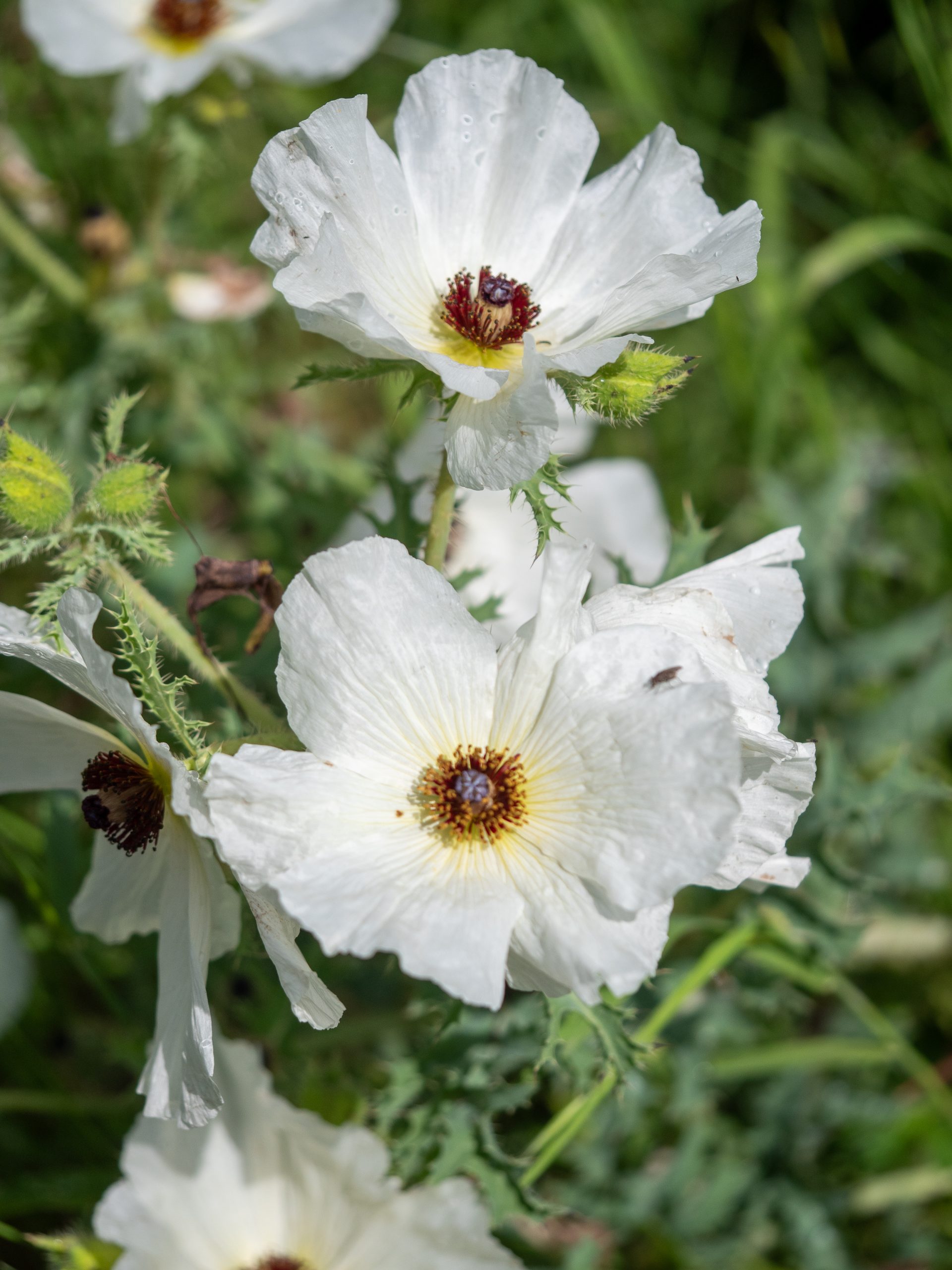
Best light and conditions for wildflower macro photography
The same principles that apply to mushroom photography lighting apply here, with one important additional complication: wildflowers very often grow in exposed sunny locations. Unlike fungi, which tend to grow in the shade of the forest canopy, many wildflowers are sun-lovers that grow in open meadows, roadsides, and hillsides where direct sunlight is the default condition.
Direct sunlight at close range creates harsh shadows, blown-out highlights on pale petals, and high contrast that makes it very difficult to expose the image correctly. The best conditions are an overcast day with naturally diffused light, or early morning and evening when the sun is low and soft. If you are shooting in direct sun, look for specimens that are growing in partial shade, or create shade yourself by positioning your body or a piece of card to block the direct light. If all of a subject is in shade within the frame, the result will be far more even and pleasing than a partially shaded shot.
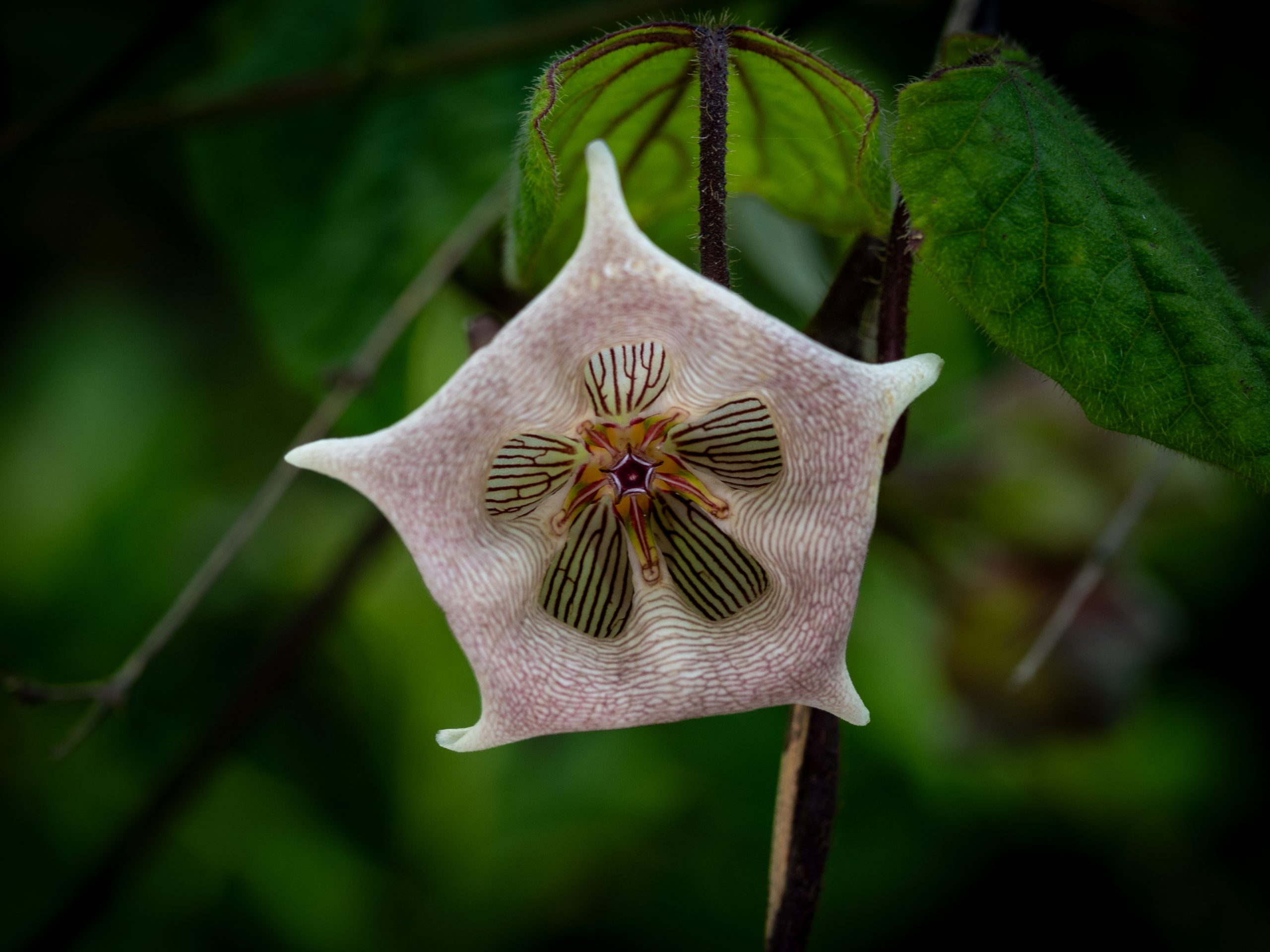
Using artificial lighting for wildflower photography
A small portable LED panel is a useful addition for wildflower work, particularly when shooting in deep shade or when you need to fill in shadows on the underside of petals. The same principles from mushroom photography lighting apply – a continuous LED lets you see exactly what you are getting before you press the shutter, which is a significant advantage over flash for close-up work.
Flash at close distances tends to produce an overexposed, blown-out look on flowers – the light is simply too intense and too direct for delicate petal surfaces. If you do use flash, a diffuser is essential to soften the output. Without one the results are rarely flattering. A small softbox or even a piece of white tissue paper over the flash head makes a meaningful difference. Personally I tend to rely on natural light supplemented by a reflector rather than flash for most wildflower work, for exactly this reason.
Composition: the bee’s point of view
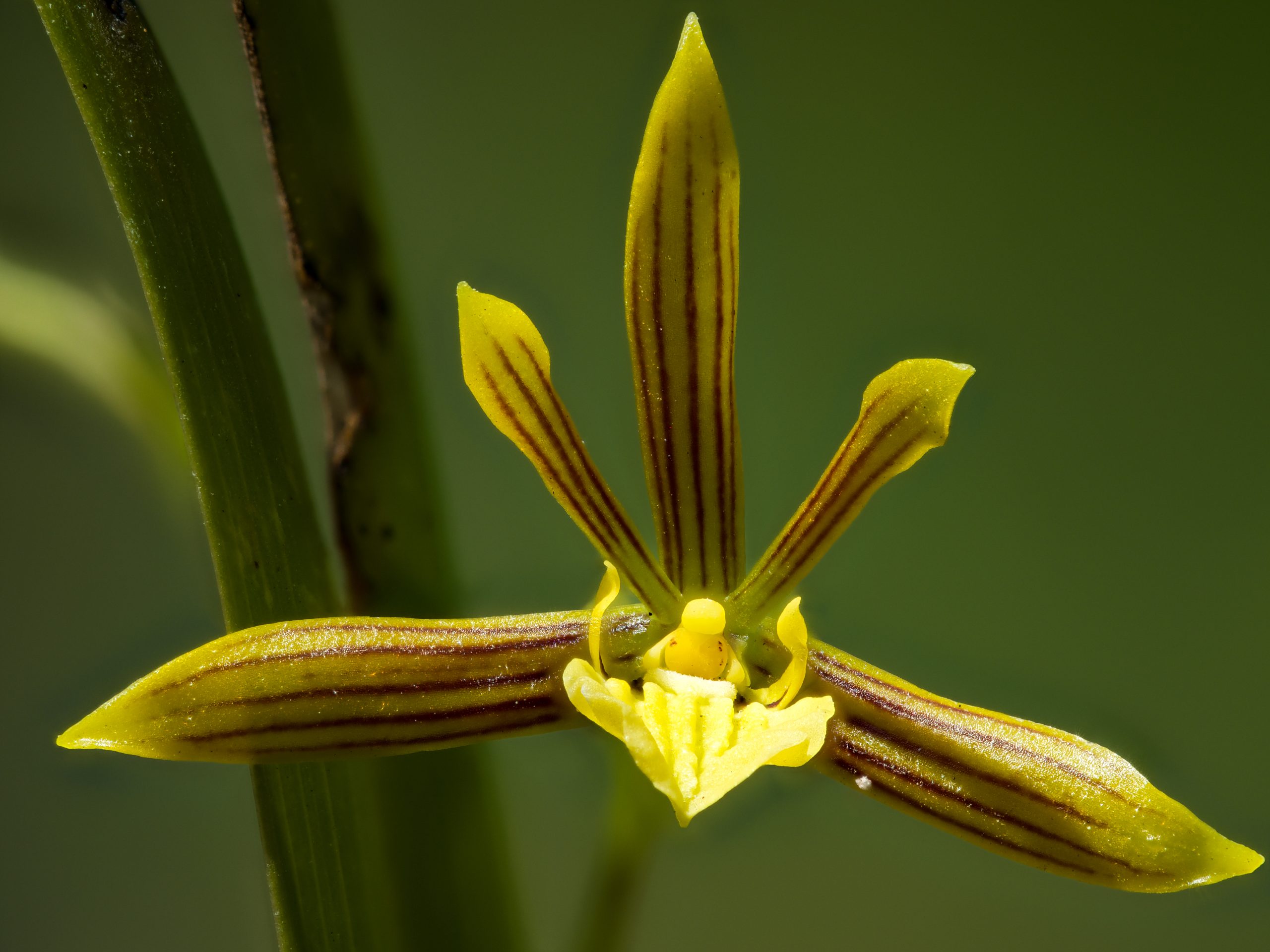
One of the most effective compositional approaches for wildflower photography is what I think of as the bee’s point of view – approaching the flower from the angle a pollinator would take when visiting it. This typically means getting low and shooting toward the centre of the flower rather than from above, which reveals the internal structure, the arrangement of stamens and pistils, and the depth of the flower in a way that a top-down shot never does.
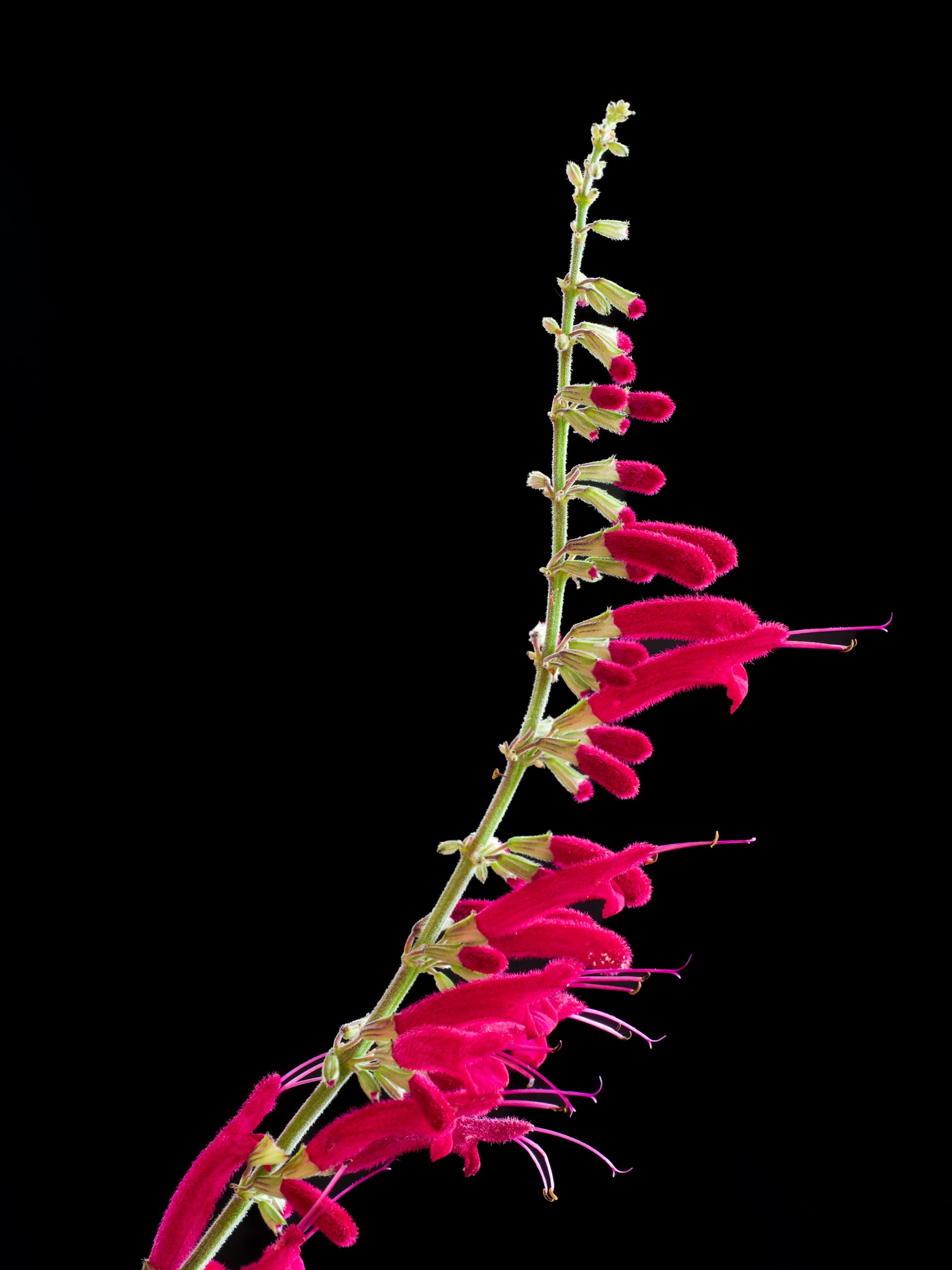
This perspective also tends to produce more interesting backgrounds. Shooting at the height of the flower with a wide aperture throws the background into a pleasing blur, isolating the subject in a way that a high-angle shot looking down onto grass or soil rarely achieves.
Camera settings, focus, and depth of field
For single-frame shots I typically use aperture priority mode and adjust the aperture depending on conditions. In good light with a relatively still subject, a moderate aperture in the f/5.6 to f/8 range gives a reasonable depth of field without the diffraction penalty that comes with very small apertures. In low light or with a moving subject, I may open up wider and accept a shallower depth of field in exchange for the faster shutter speed needed to freeze movement.
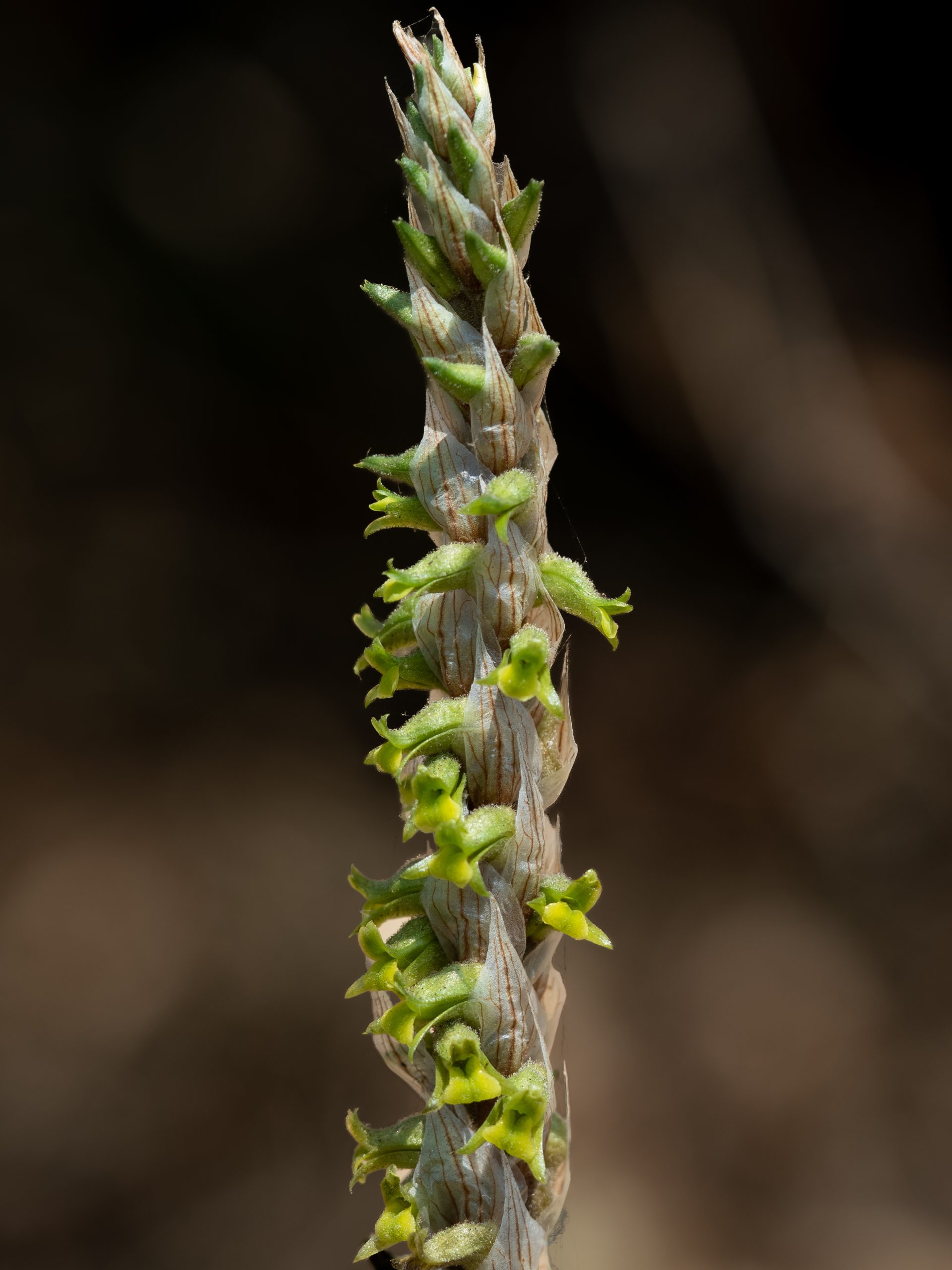
For the highest quality results, focus stacking is the answer – exactly as with mushroom photography. The challenge with wildflowers is that stacking requires absolute stillness between frames, which means wind is essentially a dealbreaker for in-the-field stacking of tall flowers. The practical solution is either to wait for completely still conditions (early morning is best), to work with low compact flowers that are inherently more stable, or to harvest the specimen and bring it indoors.
When to harvest a wildflower for studio macro photography
Sometimes the best option is to cut the flower and work with it in a controlled setting. This is not always appropriate – protected species should never be harvested, and in some locations picking wildflowers is restricted – but for common species in accessible locations it is a practical technique that removes wind as a variable entirely and gives you complete control over lighting, background, and positioning.
When I do harvest a specimen, I look for indirect light and position the flower against a dark background to create a clean, uncluttered image. Holding the stem in your hand gives you flexibility to angle the flower exactly as you need it. Indoors with a makeshift dark backdrop, you can do proper focus stacks without any concern about wind, which opens up the same level of quality achievable with mushroom studio work.
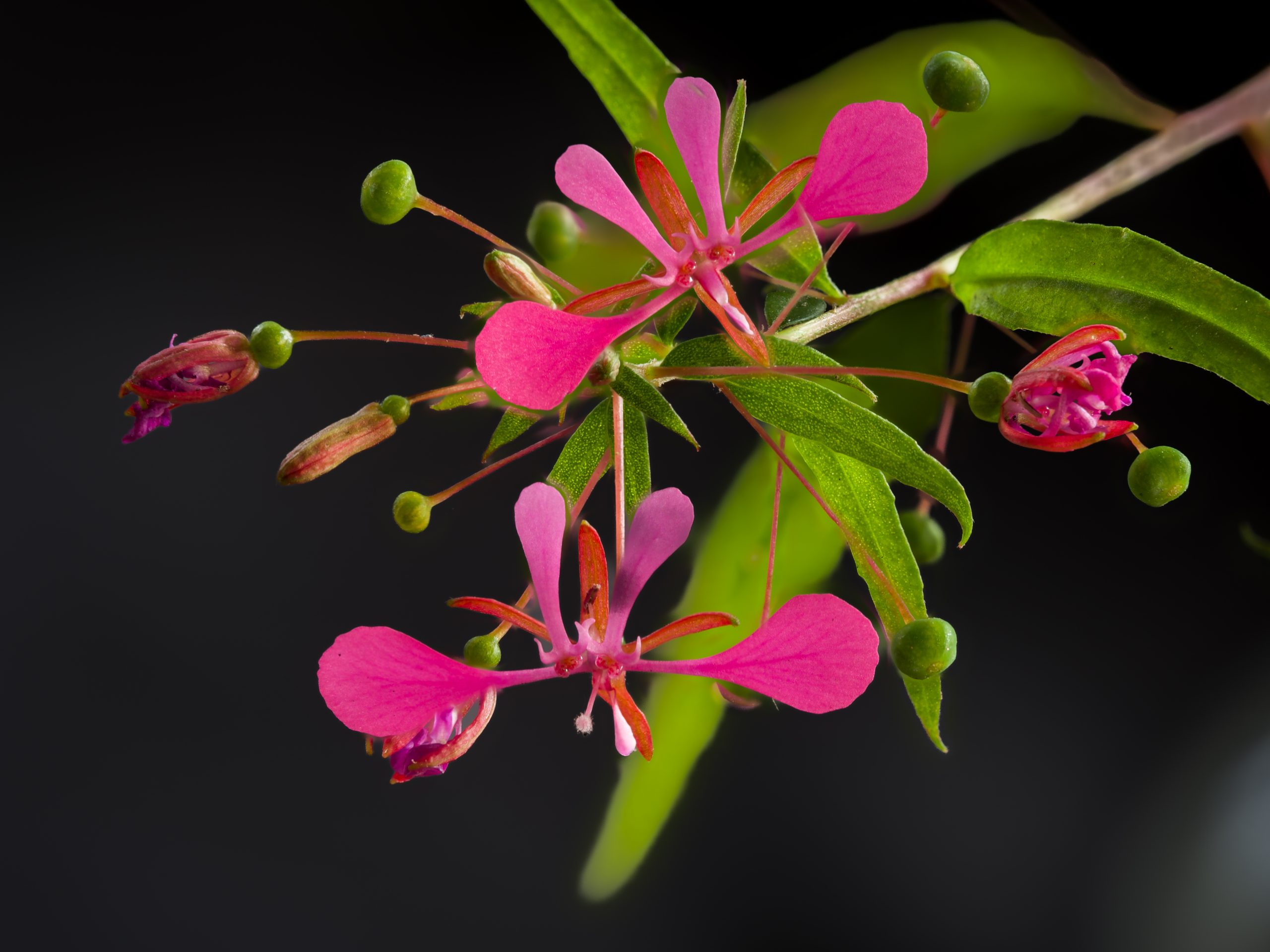
Recent observations on iNaturalist
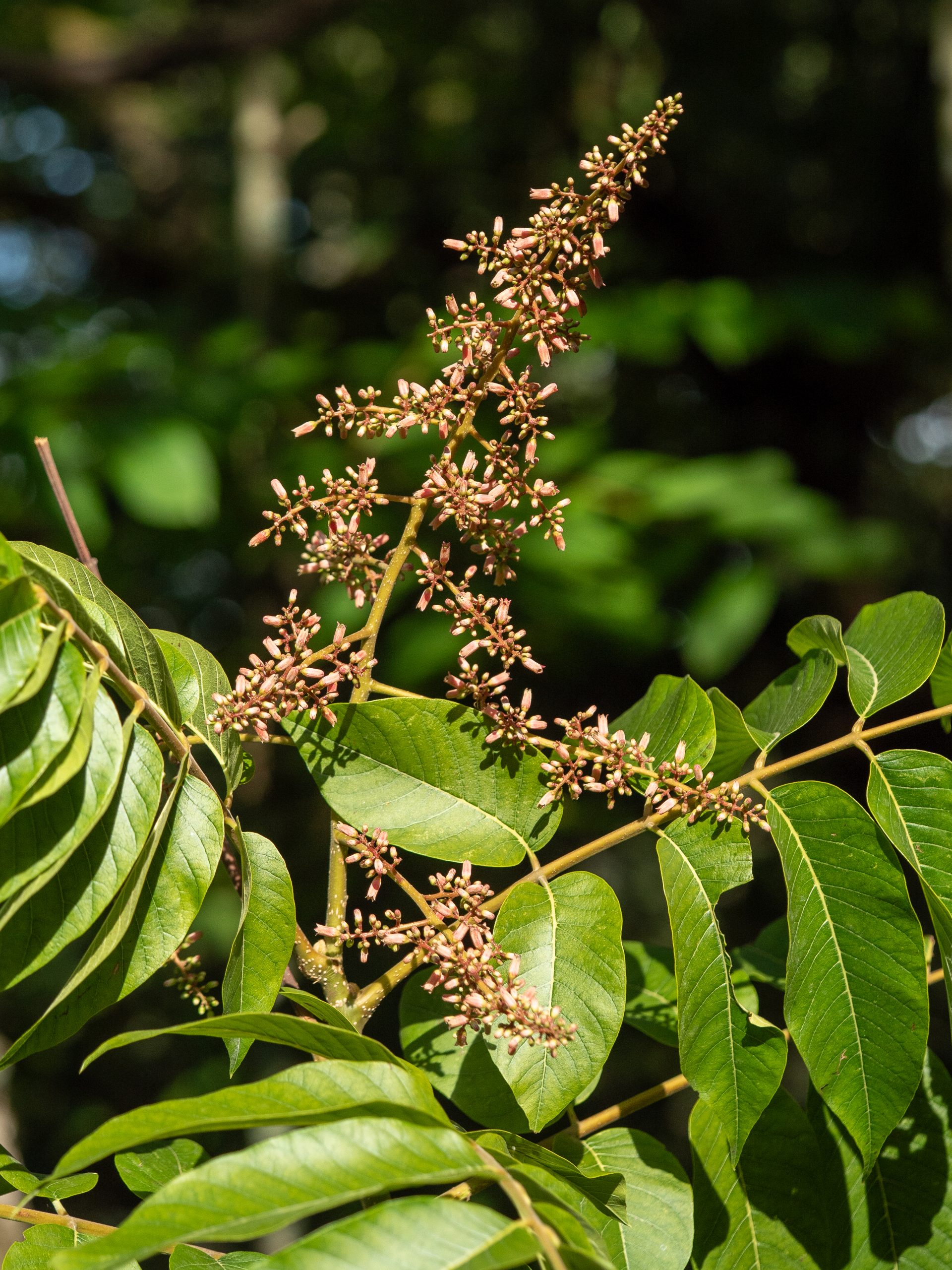
All of the wildflowers in this article have been documented on iNaturalist. Contributing your own observations helps build the scientific record – particularly valuable for rare or understudied plant species where quality photographs are scarce. The cards below are loaded live from iNaturalist and show the photo, species name, date, and location for each observation.
Photographing wildflowers for scientific identification
If you are photographing wildflowers for scientific documentation or iNaturalist submissions, think beyond the single beauty shot. A complete photographic record of a plant includes the flower from the front and side, the leaf shape and arrangement, the stem, the base of the plant, the habitat context, and if possible the fruit or seed structure. These details are often what determines whether an identification can be confirmed, particularly for species-rich genera where the distinguishing features may be subtle.
The same approach I recommend for mushroom documentation photography applies here – take the artistic shot first, then step back and take the systematic record shots. A ruler or coin in one frame documents scale. If you are collecting multiple species in one session, a collection tag or number in frame makes matching photos to records straightforward when you get home.
The gear recommendations for wildflower macro photography are essentially identical to mushroom macro photography. A dedicated macro lens, a stable tripod that can get low, and for very small flowers, extension tubes or the Raynox DCR-250 to push magnification further. The technique transfers almost directly – the main adjustment is the greater emphasis on shutter speed and timing that wind demands.
Best of luck out there.