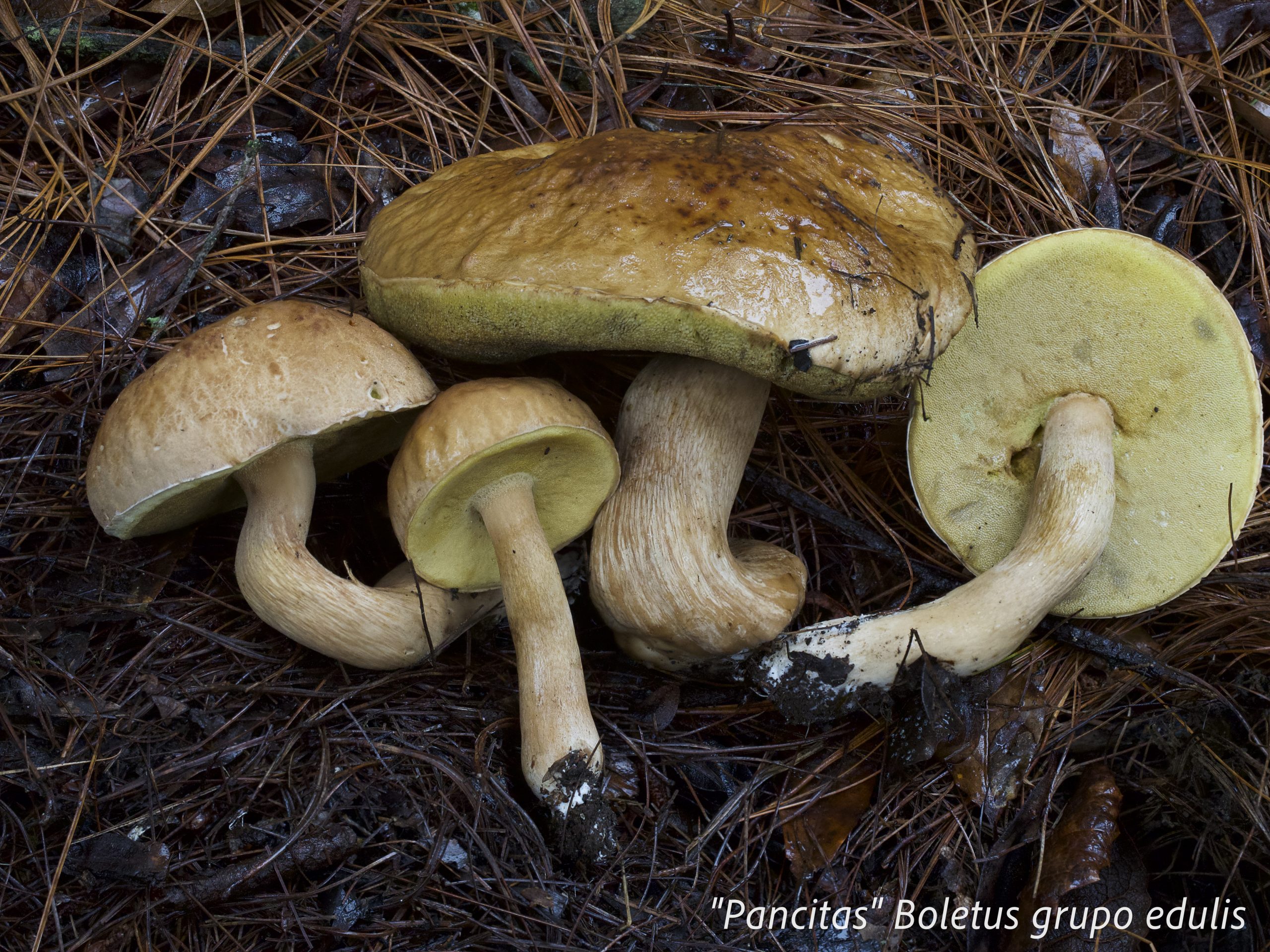
Boletus edulis around the world
Whether you know them as King Boletes or Porcini, they are a seasonal treasure beloved by cultures around the world. The French know them as Cèpes, the Germans as Steinpilz (stone mushroom), in Mexico as “Panzitas” (likely in reference to bread), and the Chinese call them 美味牛肝菌 (Mei Wei Niu Gan Jun), which translates as “delicious ox liver mushroom.” In Russia, Ukraine, and other Eastern European countries, they are often simply referred to as “White Mushroom” in their respective languages.
Since these are among the most prized edible mushrooms in the world, almost everywhere they grow there are stories, traditions, and names that reflect just how deeply embedded they are in local culture.
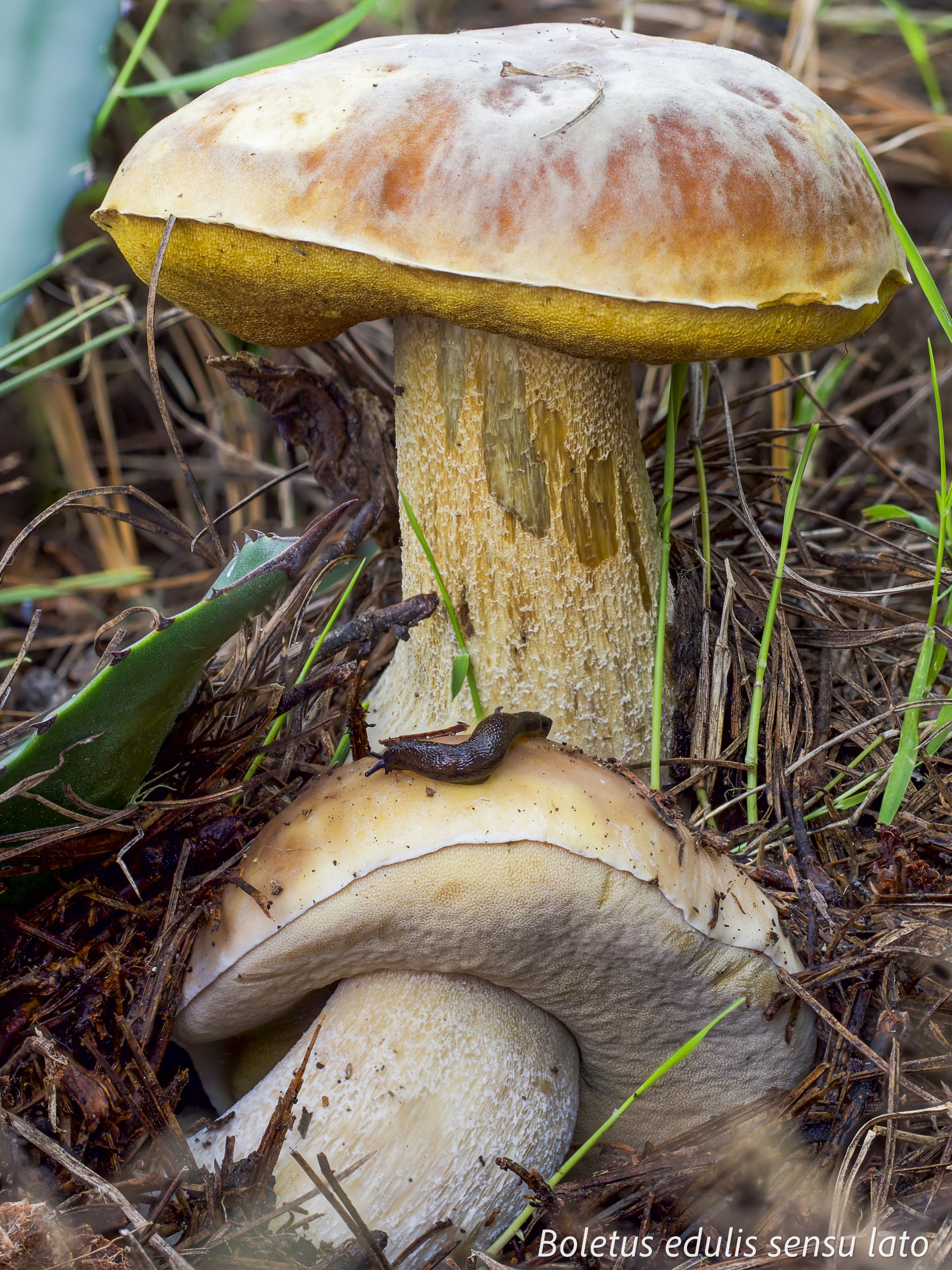
The story of Boletus
The earliest accounts of the word “Boletus” appear in Roman texts from the first century AD. While it is hypothesized that Boletus derives from the Ancient Greek word βωλίτης (bōlitēs), tracing back to the Greek βῶλος (bōlos), meaning “lump” or “clod,” scholars do not unanimously agree on this origin.
In his 2013 text Fungi and Place-Names, the Origin of Boletus, Imholtz Jr. argues that the name may have originated in the Roman province of Hispania (modern-day Spain). He notes that the first records of this name come from authors like Seneca and Petronius, who originated from this part of the Roman Empire. Pliny the Elder, who lived in Hispania for a time, also repeatedly references Boletus in his Historia Naturalis. These early references often use the word to criticise the Roman elite’s indulgence, greed, and extreme wealth.
It remains unclear whether these early authors used the term boletos to refer to mushrooms in general — as it is used today in Catalan, where “bolet” simply means mushroom — or to refer to a specific species. Evidence from Pliny the Elder suggests he may have used it mainly to refer to the edible Amanita caesarea.
Seneca and the burning mushrooms
This passage vividly describes the excesses of Roman dining. Seneca criticises those who have dulled their senses with rich foods to the point where they crave extreme sensations of heat and cold to feel anything at all. The image of people eating snow alongside burning mushrooms highlights the absurdity of their pursuit of pleasure. Whether his word boletos references a specific mushroom or mushrooms in general remains unclear.
The Satyricon
This excerpt from the Satyricon satirises the excesses of Trimalchio, a wealthy freedman obsessed with acquiring exotic goods — including requesting “boletus mushroom seeds” from India. The reference is inherently comic, since mushrooms cannot be planted like other crops. It remains one of the most memorable early uses of the word in Latin literature.
Pliny the Elder

Pliny likely refers to what we know today as Boletus edulis by the name suillosque, derived from the Latin word for pig — which explains why the mushroom is known as Porcini (“little pig”) in Italian to this day.

The place-name theory: Boltaña
Imholtz Jr. develops the theory — first proposed by the scientist Niedermann — that Boletus has a place-name origin. Just as sardines are named after Sardinia and sherry after the town of Jerez, the word boletus may originate in the city of Boltaña, a town in the Spanish Pyrenees still known for its abundance of wild mushrooms. Supporting this idea, Boletus edulis is often called Cèpe de Bordeaux in France, referencing Bordeaux as a place of origin — a parallel naming pattern rooted in geography rather than physical description.
The Slavic hypothesis
A less widely accepted theory proposes that Boletus has Slavic origins. The Czech linguist Václav Machek (1894–1965) suggested that Boletus was a loanword derived from a Slavic root related to the word bъdla, which means “mushroom” in some Slavic languages. Most linguists and ethnomycologists remain sceptical of this theory.
All in all, Boletus is a good example of how difficult it can be to trace the etymology of even a well-known word. While it is easy enough to find a favourite hypothesis, the honest answer is that we cannot say for certain where the name comes from — and that uncertainty is part of what makes the question interesting.
Names of Boletus edulis around the world
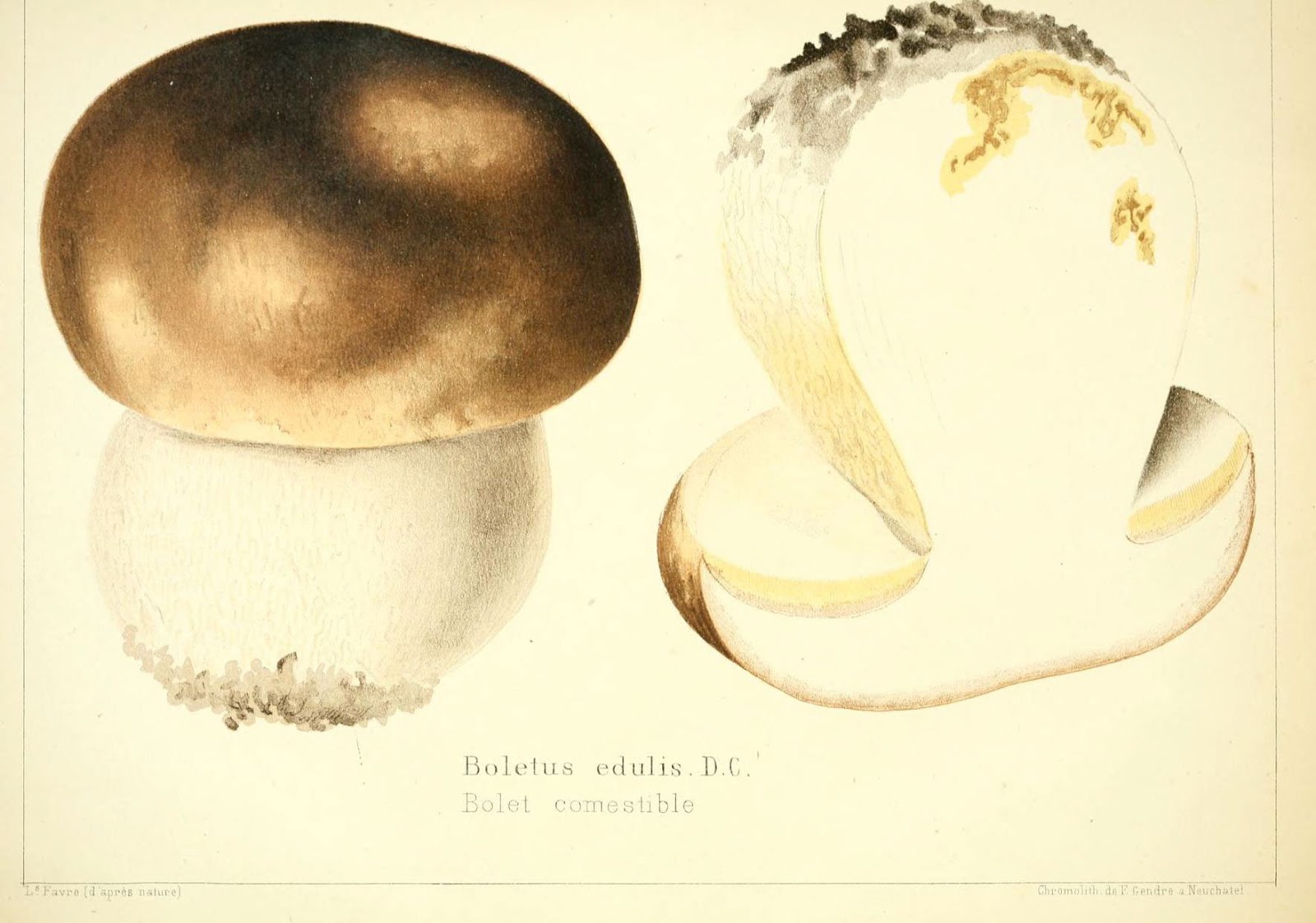
| Language | Common names and meanings |
|---|---|
| Bulgarian | Обикновената манатарка (The common bolete) |
| Catalan | Cep o buixó |
| Chinese | 美味牛肝菌 (Delicious bolete), 大腿蘑 (Big leg mushroom), 網紋牛肝菌 (Netted bolete) |
| Dutch | Gewoon eekhoorntjesbrood (Common squirrel bread) |
| English | King Bolete, Bolete, Penny Bun |
| Estonian | Harilik kivipuravik (Common stone bolete) |
| French | Cèpe, Cèpe de Bordeaux (Cèpe of Bordeaux), Bolet |
| Galician | Madeirudo, boleto bo |
| German | Steinpilz (Stone mushroom), Fichten-Steinpilz (Spruce bolete), Herrenpilz (Lord’s mushroom), Edelpilz (Noble mushroom), Dobernickel |
| Italian | Porcini (Piglets), Funzo de castagna (Chestnut mushroom), Funzo neigro (Black mushroom), Bolè porsin (Pig mushroom), Ceppatello, Gelatino (Icy), and many regional variants |
| Japanese | ヤマドリタケ (Yamadori-take) |
| Norwegian | Steinsopp (Stone mushroom) |
| Polish | Borowik szlachetny (Noble bolete) |
| Portuguese | Míscaro, tortulho |
| Romanian | Hrib, hrib cenușiu (Grey bolete), mănătarcă (Bolete) |
| Russian | Бе́лый гриб (White mushroom), боровик (Little pine forest), дорогой гриб (Expensive mushroom) |
| Slovenian | Jesenski goban (Autumn bolete), jurček (Boletus) |
| Spanish | Hongo blanco (White mushroom), hongo pambazo (Bread mushroom), seta calabaza (Pumpkin mushroom) |
| Ukrainian | Білий гриб (White mushroom), гриб справжній (Real mushroom), правдивий (True mushroom), дубрівник (Oak forest mushroom) |
A pattern worth noting across all these names: the recurring themes of colour (white, grey), material (stone, oak, pine), animals (pig, squirrel, pheasant), and nobility (lord, noble, expensive). Cultures across Europe and Asia independently reached for the same handful of comparisons when naming this mushroom — a reflection of how universally prized and closely observed Boletus edulis has been wherever it grows.
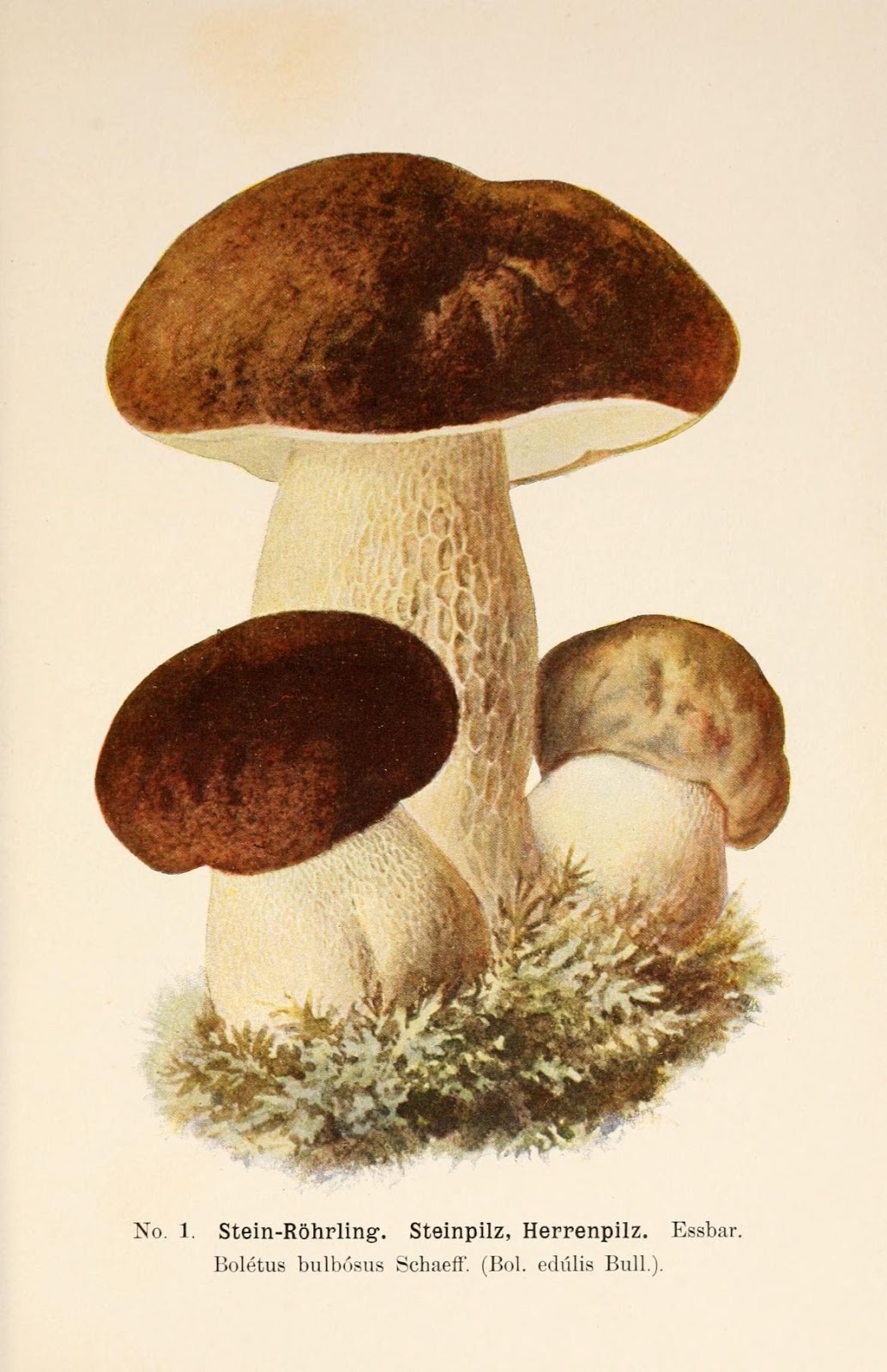
Sources: Imholtz, Jr. A.A. (2013). Fungi and Place-Names, the Origin of Boletus. Pliny the Elder, Historia Naturalis. Seneca, Quaestiones Naturales. Petronius, Satyricon.